
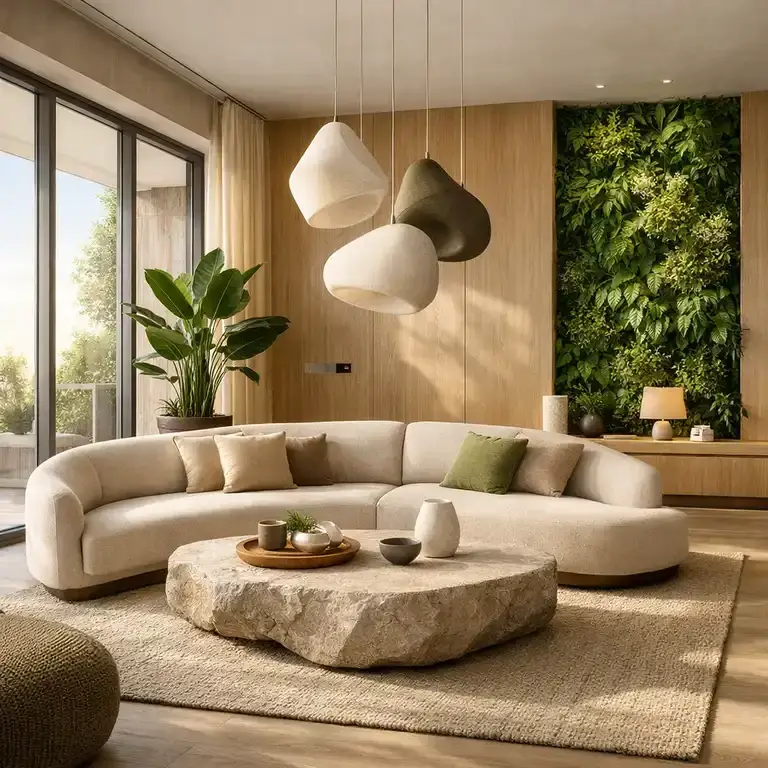
Modern Interior Design in 2025
Interior design has always reflected the lifestyle, values, and technological progress of society. In 2025, modern interior decoration is more than simply arranging furniture or choosing colors; it is about creating environments that support well‑being, sustainability, productivity, and personal expression. As the world becomes increasingly connected and urbanized, the spaces where people live and work must adapt to new needs. Modern design in 2025 blends aesthetics with functionality, integrates advanced technology, and places a strong emphasis on environmental responsibility.
One of the most influential forces shaping interior design in 2025 is the growing awareness of sustainability. Environmental concerns have encouraged designers and homeowners to choose materials and practices that minimize ecological impact. Sustainable design focuses on reducing waste, using renewable resources, and selecting materials that have a long life cycle. Natural materials such as wood, bamboo, cork, and stone are commonly used because they are durable and environmentally friendly. Recycled materials, including reclaimed wood and recycled metals, are also becoming popular choices.
Eco‑friendly fabrics are another important component of sustainable interiors. Organic cotton, linen, wool, and recycled textiles are often preferred over synthetic materials that may harm the environment. Designers are also paying attention to production processes, ensuring that materials are sourced responsibly and manufactured with minimal pollution. As a result, modern homes are becoming more environmentally conscious without sacrificing beauty or comfort.
Color trends in 2025 interior design reflect a desire for calmness and connection with nature. Neutral and earthy tones dominate modern spaces. Shades such as beige, warm white, clay, sand, terracotta, olive green, and soft brown create a peaceful atmosphere and help people feel more relaxed in their homes. These colors are often combined with natural textures like wood grain, stone surfaces, and woven fabrics to create a harmonious environment.
However, while neutral palettes are common, designers also use accent colors to add personality and visual interest. Deep blues, forest greens, burnt orange, and muted burgundy are frequently used as complementary tones in furniture, artwork, or decorative accessories. These accents bring depth and character to a room while maintaining the calm foundation created by neutral colors.
Minimalism remains a central concept in modern interior decoration, but in 2025 it has evolved into a warmer and more human‑centered style. Earlier minimalist designs were sometimes criticized for feeling cold or empty. Today, designers focus on what is often called “warm minimalism.” This approach keeps the clean lines and simplicity of minimalism but adds comfortable textures, soft lighting, and inviting materials.
Furniture in warm minimalist spaces is usually simple in shape but carefully selected for quality and comfort. Instead of filling a room with many decorative items, designers choose a few meaningful pieces that stand out. The idea is to create spaces that feel open and uncluttered while still being cozy and welcoming.
Technology plays a crucial role in modern interior design in 2025. Smart home systems have become increasingly advanced and accessible, allowing homeowners to control lighting, temperature, security, and entertainment through smartphones or voice commands. These technologies improve convenience and energy efficiency while also enhancing the overall living experience.
Smart lighting systems are particularly popular. They allow users to adjust brightness, color temperature, and lighting schedules according to their daily routines. For example, lights can gradually brighten in the morning to simulate sunrise or dim in the evening to create a relaxing atmosphere. Such systems can also reduce energy consumption by automatically turning off lights when rooms are not in use.
Another important technological feature in modern homes is integrated smart appliances. Refrigerators, ovens, washing machines, and even coffee makers can now connect to home networks and be controlled remotely. Some appliances can also provide energy usage reports, helping homeowners make more efficient choices.
Despite the increased presence of technology, modern interior design in 2025 focuses on keeping these elements visually subtle. Designers often hide cables, integrate speakers into walls or ceilings, and choose sleek control panels that blend seamlessly with the interior. The goal is to enjoy technological convenience without disrupting the aesthetic harmony of the space.
The way people use their homes has also changed significantly, especially after the global shift toward remote work and flexible lifestyles. As a result, interior design now prioritizes multi‑functional spaces. Many homes include areas that can easily transform between different purposes, such as working, relaxing, exercising, or entertaining guests.
Multi‑functional furniture plays a key role in this transformation. Sofa beds, extendable dining tables, folding desks, and modular seating allow rooms to adapt to different activities throughout the day. Storage‑integrated furniture is also widely used, helping maintain a clean and organized appearance while maximizing available space.
Small apartments, particularly in large cities, benefit greatly from these flexible solutions. Designers often use creative strategies such as sliding walls, movable partitions, and hidden storage to make compact spaces feel larger and more practical. These innovations demonstrate how modern design combines creativity with efficiency.
Biophilic design is another major trend influencing interior decoration in 2025. This concept focuses on strengthening the connection between humans and nature within built environments. Research has shown that exposure to natural elements can reduce stress, improve concentration, and enhance overall well‑being.
Incorporating plants into interior spaces is one of the simplest ways to achieve this connection. Indoor plants such as ferns, snake plants, and monstera not only add beauty but also help improve air quality. Some homes even feature vertical gardens or living walls that transform entire surfaces into green landscapes.
Natural light is another essential component of biophilic design. Large windows, skylights, and open layouts allow sunlight to enter interior spaces and create a bright, uplifting atmosphere. Designers often use light‑colored surfaces and reflective materials to distribute natural light throughout a room.
Water features, natural shapes, and organic patterns are also used to reinforce the sense of nature indoors. Curved furniture, stone textures, and wood surfaces help create an environment that feels more balanced and harmonious. These elements encourage relaxation and provide a contrast to the fast‑paced digital world outside.
Another defining characteristic of modern interior design in 2025 is personalization. While design trends provide inspiration, homeowners increasingly want spaces that reflect their individual tastes, cultures, and lifestyles. Rather than strictly following one style, many people mix different influences to create unique interiors.
For example, a modern living room may include minimalist furniture alongside vintage decorations, handmade crafts, or artwork collected during travel. These personal items tell stories and make the home feel authentic and meaningful. Designers encourage this approach because it creates spaces that are both stylish and emotionally connected to their owners.
Art plays an important role in personalizing modern interiors. Large paintings, photography, sculptures, and digital art displays are often used as focal points in a room. In some homes, rotating digital frames allow homeowners to display different artworks or personal photos depending on their mood or occasion.
Lighting design has also become more sophisticated in 2025. Instead of relying on a single ceiling light, modern interiors use layered lighting to create depth and flexibility. This approach combines ambient lighting, task lighting, and accent lighting to achieve a balanced and functional environment.
Ambient lighting provides general illumination for the room, while task lighting focuses on specific activities such as reading, cooking, or working. Accent lighting highlights architectural features, artwork, or decorative objects. By combining these layers, designers can create dynamic spaces that adapt to different moods and activities.
Sculptural lighting fixtures are particularly popular in modern decoration. Pendant lights, artistic chandeliers, and unique floor lamps are often used as decorative elements as well as functional light sources. These pieces can serve as visual centerpieces that add personality to a space.
Kitchen and bathroom design have also evolved significantly in 2025. Modern kitchens emphasize simplicity, efficiency, and social interaction. Open‑plan kitchens that connect with dining or living areas are still very popular because they encourage communication and shared experiences.
Cabinetry in modern kitchens often features clean lines, handle‑less designs, and matte finishes. Materials such as quartz, marble, and recycled composite surfaces are commonly used for countertops because they are durable and visually appealing. Smart appliances and energy‑efficient systems further enhance the practicality of these spaces.
Bathrooms are increasingly designed as relaxation areas similar to small spas. Natural materials, soft lighting, and calming colors create a peaceful environment. Walk‑in showers, freestanding bathtubs, and large mirrors are common features. Smart mirrors with built‑in lighting and temperature control systems are also becoming more widespread.
Another trend shaping interior design in 2025 is acoustic comfort. As homes serve multiple functions—workplace, entertainment center, and living space—controlling noise has become important. Designers address this issue through sound‑absorbing materials such as acoustic panels, upholstered furniture, thick curtains, and textured wall coverings.
These elements help reduce echoes and external noise, making homes quieter and more comfortable. In open‑plan spaces, acoustic solutions are particularly valuable because they maintain a peaceful environment without requiring physical walls or barriers.
Cultural diversity also influences modern decoration. Global design inspiration allows homeowners to incorporate elements from different traditions and regions. Scandinavian simplicity, Japanese minimalism, Mediterranean warmth, and contemporary urban aesthetics often blend together in creative ways.
For example, Japandi design—a fusion of Japanese and Scandinavian styles—has gained popularity because it combines simplicity, natural materials, and calm colors. This style emphasizes craftsmanship, balance, and functionality, making it well suited to modern lifestyles.
Looking toward the future, interior design will likely continue evolving as new technologies and environmental challenges emerge. Artificial intelligence may help homeowners design spaces more efficiently, while advanced materials could improve sustainability and durability. At the same time, the desire for comfort, authenticity, and human connection will remain central to interior design.
In conclusion, modern interior decoration in 2025 represents a thoughtful combination of beauty, practicality, and responsibility. Designers aim to create spaces that support healthy living, reduce environmental impact, and adapt to changing lifestyles. Through sustainable materials, smart technology, biophilic elements, and personalized design, modern interiors have become more than just visually appealing environments—they are spaces that nurture creativity, comfort, and well‑being.
As people continue to redefine the meaning of home, interior design will play an increasingly important role in shaping daily life. The trends of 2025 show that the future of decoration is not only about style but also about creating spaces that truly improve the quality of life for those who inhabit them.