
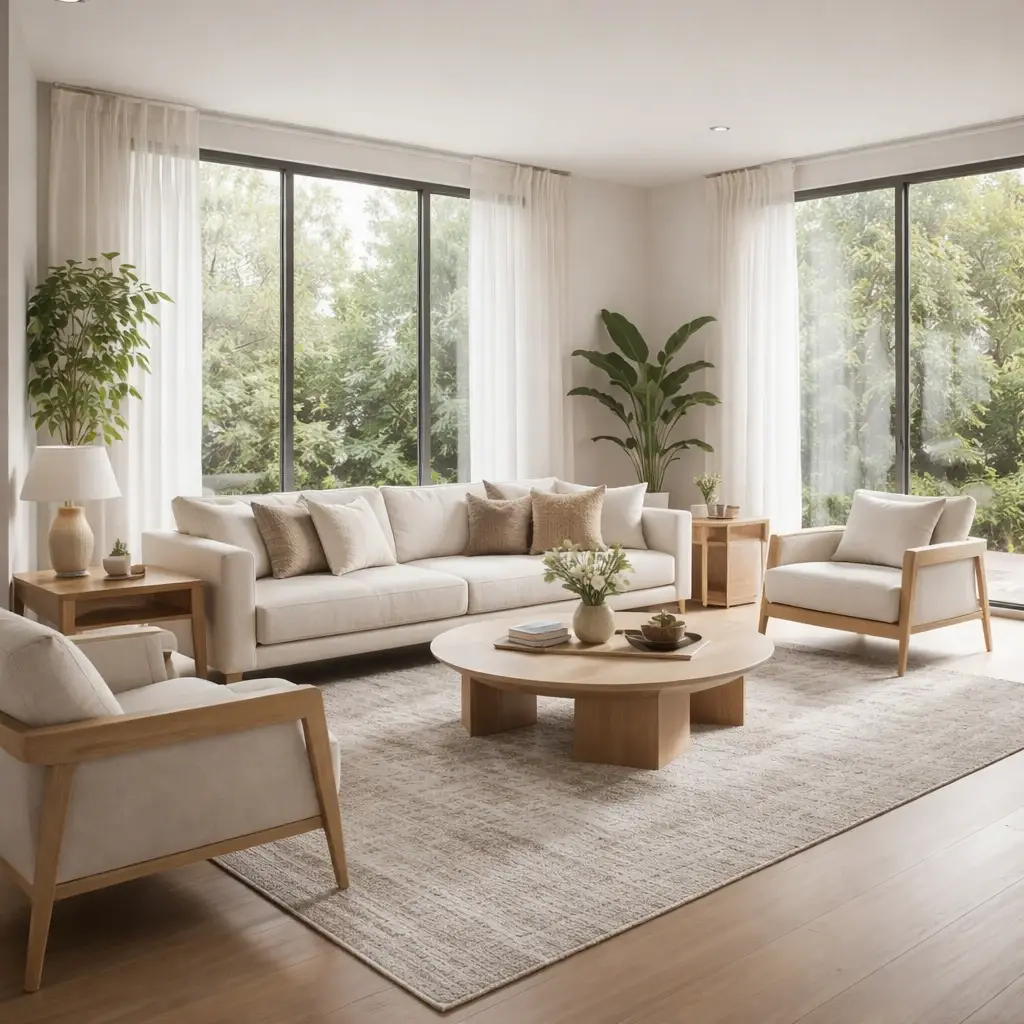
The first step in arranging furniture correctly is understanding the purpose of each room. Every room in a home has a specific function, and furniture should support that purpose. For example, a living room is typically designed for relaxation, conversation, and entertainment. Therefore, seating should be arranged in a way that encourages interaction among people. In contrast, a dining room focuses on meals and gatherings, so the table and chairs should be positioned to allow easy movement and accessibility.
Before placing furniture, it is important to evaluate the size and shape of the room. Taking measurements of the room helps ensure that furniture pieces fit comfortably without overcrowding the space. Many people make the mistake of buying furniture without considering the dimensions of their rooms. This can lead to situations where furniture is either too large and overwhelming or too small and visually disconnected from the space. Measuring walls, windows, doors, and walkways allows homeowners to plan a layout that feels balanced.
Creating a focal point is another essential principle of furniture arrangement. A focal point is the main visual feature of a room that naturally attracts attention. In many living rooms, the focal point may be a television, fireplace, large window, or piece of artwork. Once the focal point is identified, furniture can be arranged around it in a way that enhances the overall design. For example, sofas and chairs may face a fireplace or television to create a comfortable viewing area.
Balance is also a key element in furniture placement. A room should feel visually stable rather than heavy on one side and empty on the other. Designers often achieve balance by distributing furniture and decorative elements evenly throughout the space. This does not necessarily mean that everything must be symmetrical, but the overall weight of objects should feel harmonious. For example, a large sofa on one side of a room might be balanced by two chairs and a side table on the opposite side.
Another important factor to consider is traffic flow. People need enough space to move freely between different areas of a room. When furniture blocks pathways, it creates inconvenience and discomfort. Ideally, there should be clear walking paths that allow people to move from one part of the room to another without obstacles. Designers often recommend leaving at least 75 to 90 centimeters of walking space between major furniture pieces.
The living room often presents the greatest challenge when arranging furniture because it usually serves multiple purposes. In many homes, the living room functions as a space for relaxing, watching television, socializing, and sometimes even working. One effective strategy is to create separate zones within the room. For example, a seating area can be arranged around a coffee table for conversation, while another corner may include a small desk or reading chair.
The placement of the sofa is especially important in living rooms. Since the sofa is usually the largest piece of furniture, it often defines the layout of the entire space. Placing the sofa against a wall is a common approach, especially in smaller rooms. However, in larger spaces, positioning the sofa away from the wall can create a more intimate and sophisticated arrangement. This method can help divide open‑plan areas into distinct sections.
Coffee tables and side tables should also be positioned carefully. A coffee table should be placed close enough to the sofa for convenience but far enough to allow comfortable movement. Designers often suggest leaving about 40 to 45 centimeters between the coffee table and the sofa. Side tables should be easily reachable from seating areas so that people can place drinks, books, or decorative objects on them.
Lighting also plays a significant role in furniture arrangement. Lamps and lighting fixtures should be positioned to support the activities that take place in the room. For instance, reading chairs benefit from nearby floor lamps, while table lamps can add warmth to seating areas. Good lighting enhances both functionality and atmosphere.
In dining rooms, the dining table is the central piece of furniture. Its placement should allow enough space for chairs to be pulled out comfortably. Ideally, there should be at least 90 centimeters of space between the table and the walls or nearby furniture. This allows people to move around the table without difficulty.
The shape of the dining table also influences the arrangement. Rectangular tables work well in longer rooms, while round tables are ideal for smaller spaces because they improve circulation and create a more intimate dining experience. Lighting above the dining table, such as a pendant light or chandelier, helps visually anchor the area and enhance the overall design.
Bedrooms require a different approach to furniture arrangement because they are primarily spaces for rest and relaxation. The bed is the focal point of the room and should be positioned in a way that feels comfortable and secure. Many designers recommend placing the bed against the main wall opposite the entrance so that it becomes the natural center of attention.
Nightstands are typically placed on either side of the bed for convenience and symmetry. These small tables provide space for lamps, books, and personal items. In smaller bedrooms, compact nightstands or floating shelves can help save space while still providing functionality.
Storage is another important consideration in bedroom design. Dressers, wardrobes, and closets should be arranged so that drawers and doors can open fully without obstruction. Proper storage placement keeps the room organized and prevents clutter.
In smaller homes or apartments, maximizing space is particularly important. Multi‑functional furniture can be extremely useful in these situations. Examples include beds with built‑in storage drawers, foldable desks, and sofa beds that can transform a living room into a guest bedroom. Such furniture allows homeowners to maintain comfort while using space efficiently.
Mirrors are another useful design element in small spaces. Placing mirrors strategically can make a room appear larger and brighter by reflecting light. Large mirrors placed opposite windows are especially effective because they distribute natural light throughout the room.
Rugs also influence furniture arrangement. A well‑chosen rug can define a seating area and unify the design. In living rooms, rugs are often placed under the front legs of sofas and chairs to visually connect them. In dining rooms, the rug should be large enough to accommodate both the table and chairs even when the chairs are pulled out.
Wall space should also be considered when arranging furniture. Artwork, shelves, and decorative items contribute to the overall composition of a room. However, it is important not to overcrowd walls with too many objects. Leaving some empty space helps create a sense of balance and calm.
Another useful technique is layering. Layering involves combining different textures, heights, and materials to create visual interest. For example, a room may include a combination of soft fabrics, wooden furniture, metal accents, and decorative accessories. This approach makes the space feel richer and more dynamic.
Personal preferences and lifestyle should always influence furniture arrangement. A family with young children may prioritize open floor space for play, while someone who enjoys entertaining guests might focus on creating comfortable seating areas. The goal is to design a layout that supports everyday activities and reflects the personality of the people living in the home.
Technology also influences modern furniture arrangement. Televisions, speakers, charging stations, and smart devices must be integrated into the layout without creating clutter. Designers often hide cables and place electronics in cabinets or built‑in shelves to maintain a clean appearance.
Experimentation is often necessary to find the best furniture arrangement. Sometimes moving a sofa a few centimeters or rotating a chair can significantly improve the flow and balance of a room. Trying different layouts allows homeowners to discover the most comfortable and visually pleasing configuration.
In conclusion, arranging furniture properly is essential for creating a functional and attractive home. By considering room purpose, size, focal points, balance, and traffic flow, homeowners can design spaces that feel comfortable and harmonious. Thoughtful furniture placement improves not only the appearance of a home but also the daily experience of living in it.
A well‑arranged home encourages relaxation, conversation, and productivity. Whether the space is large or small, careful planning and creativity can transform any room into an inviting and efficient environment. Ultimately, good furniture arrangement is about combining practicality with aesthetic beauty to create a home that truly supports the needs and lifestyle of its occupants.