
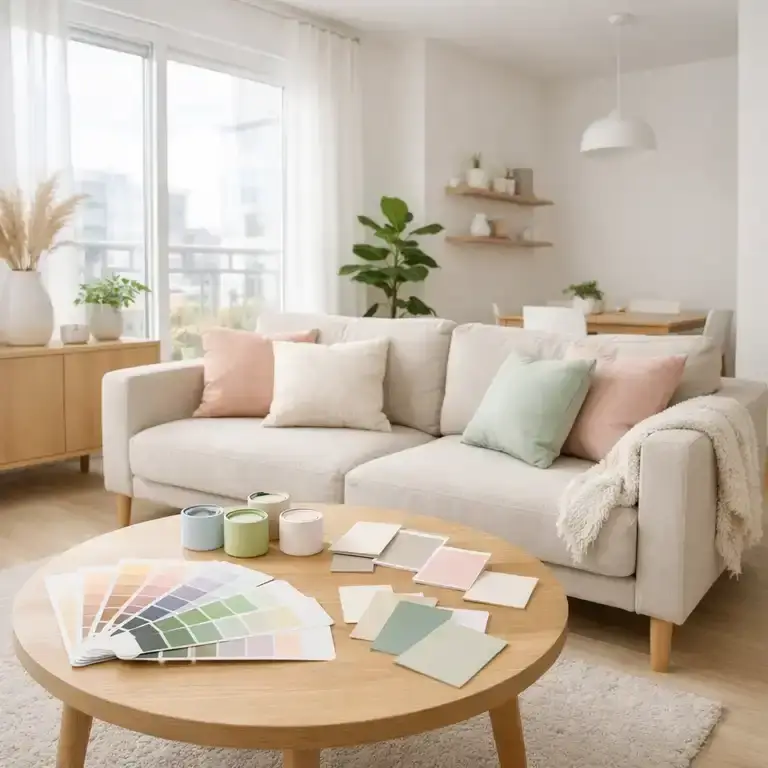
Color is one of the most powerful tools in interior design, especially when it comes to decorating small homes or apartments. The colors used in a space can influence how large or small a room appears, how comfortable it feels, and even how people feel emotionally when they are inside it. In smaller homes where space is limited, selecting the right color palette becomes especially important. A thoughtful color scheme can make a small room feel brighter, more open, and more inviting, while poor color choices can make it appear cramped and uncomfortable.
One of the most important principles when choosing colors for small homes is understanding how colors affect visual perception. Light colors generally reflect more light, which makes spaces appear larger and more open. Dark colors, on the other hand, absorb light and can make a room feel smaller or more enclosed. Because of this, many designers recommend using lighter tones as the main colors in small spaces.
Shades such as white, cream, soft gray, beige, and pastel tones are commonly used in small interiors. These colors reflect natural and artificial light effectively, helping rooms feel airy and spacious. White, in particular, is one of the most popular choices because it creates a clean and simple background that can easily be combined with other colors and decorative elements.
However, using only white can sometimes make a home feel too plain or sterile. To avoid this, designers often combine white with subtle variations in texture and tone. For example, soft gray walls paired with white furniture and light wooden accents can create a warm and modern atmosphere without overwhelming the space.
Another effective strategy for small homes is using a monochromatic color scheme. A monochromatic palette uses different shades, tones, and intensities of a single color. This approach creates visual harmony and prevents the space from feeling cluttered. For instance, a living room may feature light gray walls, medium gray furniture, and darker gray decorative accents. The subtle differences in tone add depth while maintaining a unified look.
Neutral color palettes are also extremely popular in small homes because they create a calm and balanced environment. Neutral colors such as beige, taupe, soft brown, and light gray are versatile and timeless. They work well with many types of furniture and décor styles, from modern minimalism to classic interiors.
While light and neutral colors are often recommended, this does not mean that small homes must avoid stronger colors entirely. Accent colors can add personality and character to a space without making it feel crowded. The key is to use bold colors strategically rather than covering entire walls with them.
Accent walls are one popular method for introducing color. An accent wall is a single wall painted in a stronger color while the other walls remain neutral. For example, a bedroom may have three soft white walls and one wall painted in deep blue or sage green. This creates visual interest and depth while still maintaining the overall brightness of the room.
Furniture and decorative accessories are another excellent way to introduce color into a small home. Items such as cushions, rugs, curtains, artwork, and decorative objects can add color without overwhelming the space. Because these elements are easy to change, they also allow homeowners to update the look of a room without repainting walls.
Natural colors inspired by nature are particularly effective in small spaces. Soft greens, warm sand tones, sky blues, and earthy browns create a relaxing atmosphere while maintaining a sense of openness. These colors also connect indoor spaces with the natural world, which can make a home feel more peaceful and comfortable.
Lighting is another factor that strongly influences how colors appear in small homes. Natural light enhances most colors and makes rooms feel more spacious. When choosing paint colors, it is important to consider how much sunlight the room receives during the day. A color that looks perfect in a brightly lit showroom may appear much darker in a room with limited natural light.
In rooms with little sunlight, lighter and warmer colors often work best because they help reflect available light. Soft cream, warm beige, or pale peach can make darker spaces feel brighter and more welcoming. In contrast, rooms with plenty of natural light can handle slightly cooler tones such as light gray, pale blue, or soft green.
Another useful technique for making small spaces appear larger is using the same color palette throughout the home. When different rooms use drastically different colors, the home may feel visually divided and smaller. Using consistent colors creates a sense of continuity and flow, which makes the entire home feel more spacious.
For example, a small apartment might use a base palette of soft white walls, light wooden furniture, and neutral fabrics across multiple rooms. Each space can then include its own accent colors through accessories or artwork while still maintaining a cohesive overall design.
Ceiling color is another important detail that is sometimes overlooked. In small homes, painting the ceiling a lighter color than the walls can create the illusion of greater height. White ceilings are commonly used because they reflect light and make rooms feel taller and more open.
Some designers also recommend painting walls and ceilings in very similar shades. When the transition between surfaces is subtle, the boundaries of the room become less noticeable, which can make the space appear larger.
Floor colors also influence how spacious a room feels. Light‑colored flooring such as pale wood, light laminate, or neutral tiles can visually expand a room. Dark floors can still work well, but they often look best when balanced with lighter walls and furniture.
Patterns should be used carefully in small homes. Large, heavy patterns can sometimes overwhelm small spaces and make them feel crowded. However, subtle patterns or small designs can add interest without dominating the room. For example, a lightly patterned rug or textured wallpaper can create depth and style while maintaining visual balance.
Mirrors also play an important role in enhancing color and light within small homes. By reflecting both light and surrounding colors, mirrors make rooms appear larger and brighter. Placing mirrors opposite windows is particularly effective because they reflect natural light deeper into the room.
Furniture color should also be considered when designing a color scheme for a small home. Bulky, dark furniture can sometimes make a room feel crowded. Choosing furniture in lighter tones or materials such as light wood, glass, or neutral fabrics can help maintain a sense of openness.
Transparent or reflective materials can also contribute to a more spacious feeling. Glass tables, acrylic chairs, and metal accents allow light to pass through or reflect around the room, preventing visual heaviness.
Another important concept in small‑space design is contrast. While a mostly light color palette is beneficial, a small amount of contrast can make the room feel more dynamic and interesting. For example, a white room with black picture frames or dark cushions creates a stylish balance between light and dark elements.
Texture can also enhance the appearance of color within a space. Combining different textures—such as soft fabrics, smooth surfaces, and natural wood—adds richness and dimension. Even if the color palette remains simple, varied textures keep the room from looking flat or boring.
Personal taste should always play a role when selecting colors for a home. While design guidelines provide useful direction, the most successful interiors reflect the personality and lifestyle of the people who live in them. Some individuals prefer calm and neutral environments, while others enjoy vibrant colors and creative combinations.
Testing colors before committing to them is always a wise step. Paint samples applied to walls allow homeowners to observe how the color changes under different lighting conditions throughout the day. This helps avoid unexpected results and ensures satisfaction with the final choice.
In recent years, many designers have also embraced the concept of “warm minimalism” for small homes. This approach combines light neutral colors with natural materials such as wood, linen, and stone. The result is a clean yet comfortable environment that feels both modern and welcoming.
Ultimately, the goal of color design in small homes is to create a space that feels open, balanced, and comfortable. Through careful selection of light tones, thoughtful use of accent colors, and attention to lighting and materials, even the smallest home can feel spacious and beautiful.
In conclusion, choosing the right color scheme is one of the most effective ways to improve the appearance and atmosphere of a small home. Light colors, cohesive palettes, strategic accents, and good lighting can transform limited spaces into bright and inviting environments. By understanding how colors influence perception and mood, homeowners can create interiors that not only look larger but also feel more comfortable and enjoyable to live in.