
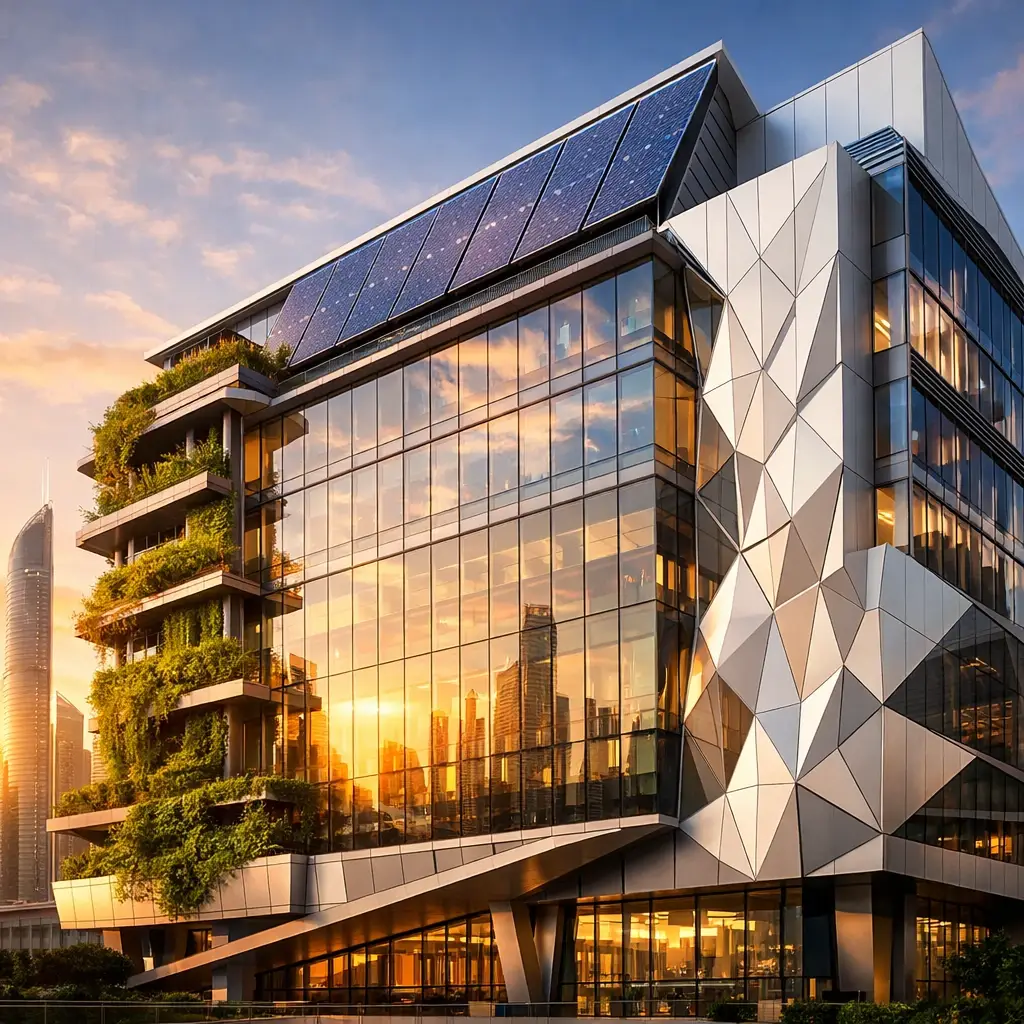
The facade of a building is much more than its exterior surface. It represents the identity, function, and technological advancement of modern architecture. In 2025, building facades have evolved significantly due to advancements in materials, sustainability goals, smart technology, and changing aesthetic preferences. Architects today focus not only on visual beauty but also on environmental performance, energy efficiency, and user experience.
Modern facades must respond to climate conditions, reduce energy consumption, and contribute to the urban environment. As cities grow denser and sustainability becomes a global priority, architects and engineers are designing building skins that act as intelligent systems rather than static surfaces. The best building facades in 2025 combine innovation, sustainability, and artistic expression.
This article explores the most influential facade trends of 2025, the materials shaping modern buildings, and some of the design strategies that define the best architectural exteriors today.
The Evolution of Building Facades
Historically, building facades served structural and protective purposes. Traditional architecture often used stone, brick, and wood to create durable exteriors. Ornamentation played a major role in classical architecture, with facades designed to reflect cultural values and artistic traditions.
During the 20th century, the introduction of steel, reinforced concrete, and large glass panels transformed facade design. Modernist architects emphasized minimalism, transparency, and functionality. Glass curtain walls became a symbol of modern urban architecture.
In the 21st century, facade design has shifted toward performance and sustainability. Buildings must now meet environmental standards and reduce carbon emissions. As a result, architects integrate advanced technologies such as smart glass, photovoltaic panels, and climate-responsive shading systems.
By 2025, facades are no longer passive elements. They actively interact with sunlight, temperature, and airflow to improve building efficiency and comfort.
Key Characteristics of the Best Facades in 2025
Several important characteristics define the most successful building facades in contemporary architecture.
Sustainability
Sustainability is the most important factor shaping facade design in 2025. Buildings are responsible for a large percentage of global energy consumption. High-performance facades help reduce energy use by improving insulation, controlling solar heat gain, and maximizing natural daylight.
Green facades, living walls, and vertical gardens are becoming increasingly common in modern cities. These systems help improve air quality, reduce urban heat island effects, and create visually appealing environments.
Energy Efficiency
Advanced facade systems contribute significantly to energy efficiency. Double-skin facades, for example, create a buffer zone between the interior and exterior environments. This design improves thermal performance and reduces heating and cooling demands.
Smart glass technology is also widely used. Electrochromic glass can automatically adjust its transparency depending on sunlight intensity, reducing glare and cooling loads.
Integration of Technology
Smart buildings require intelligent facades. Sensors, automation systems, and responsive materials allow building skins to adapt to changing weather conditions.
Some facades incorporate solar panels directly into their design, turning the building envelope into a power-generating surface. These building-integrated photovoltaics (BIPV) are one of the most important trends in modern architecture.
Aesthetic Innovation
Visual appeal remains a fundamental aspect of facade design. Architects experiment with geometry, textures, and dynamic forms to create memorable structures. Parametric design software allows architects to generate complex patterns and shapes that were previously impossible to construct.
Modern facades often combine materials such as glass, metal, concrete, and natural stone to create unique compositions. Lighting design also plays a significant role, transforming buildings into landmarks at night.
Popular Facade Materials in 2025
The choice of materials strongly influences the performance and appearance of a building facade. Several materials dominate contemporary architecture.
Glass
Glass remains one of the most widely used facade materials. Modern high-performance glass offers improved insulation, UV protection, and energy efficiency. Triple-glazed systems provide excellent thermal performance while maintaining transparency.
Architects use glass to create open, light-filled spaces and connect interior environments with the surrounding landscape.
Aluminum and Metal Panels
Aluminum panels are popular because they are lightweight, durable, and recyclable. Metal cladding systems allow architects to design sleek and modern exteriors with various finishes and textures.
Perforated metal panels are also commonly used to create shading systems while adding visual interest to the facade.
Natural Stone
Despite technological advancements, natural stone remains a timeless facade material. Granite, limestone, and marble are widely used in high-end residential and commercial buildings.
Stone facades provide durability, elegance, and a strong connection to traditional architectural styles.
Wood and Engineered Timber
Sustainable architecture has increased the use of wood in building facades. Engineered wood products such as cross-laminated timber (CLT) offer strength and environmental benefits.
Wooden facades create warm and natural aesthetics while reducing the carbon footprint of construction projects.
Green and Living Walls
Vertical gardens are becoming more common in urban architecture. Living walls integrate plants directly into building facades, providing environmental and psychological benefits.
These systems improve insulation, absorb carbon dioxide, and enhance biodiversity in urban environments.
Innovative Facade Systems
Several advanced facade systems define cutting-edge architecture in 2025.
Double-Skin Facades
Double-skin facades consist of two layers of glass separated by an air cavity. This design improves ventilation, reduces noise, and increases thermal efficiency.
Many office towers use this system to maintain comfortable indoor temperatures while minimizing energy consumption.
Kinetic Facades
Kinetic facades are dynamic systems that move or adjust based on environmental conditions. Panels may open, close, or rotate in response to sunlight, wind, or temperature.
This adaptive approach allows buildings to regulate light and heat more effectively while creating visually dynamic architecture.
Photovoltaic Facades
Building-integrated photovoltaic panels allow buildings to generate electricity directly from sunlight. These solar facades are increasingly used in sustainable architecture.
Rather than installing solar panels on rooftops only, architects now integrate them seamlessly into the building envelope.
Parametric Facades
Parametric design tools enable architects to create complex geometric patterns that respond to environmental factors. These facades often combine aesthetics with functionality by optimizing shading, airflow, and structural efficiency.
Famous Buildings with Outstanding Facades
Several modern buildings demonstrate the potential of innovative facade design.
The Al Bahar Towers in Abu Dhabi feature a responsive facade inspired by traditional Islamic mashrabiya patterns. The exterior shading system opens and closes depending on sunlight levels, reducing solar heat gain.
The Bosco Verticale towers in Milan are known for their vertical forests integrated into residential facades. Thousands of trees and plants grow on the building balconies, creating a green ecosystem within the city.
The Shanghai Tower uses a double-skin facade that improves energy efficiency while giving the skyscraper its distinctive spiral form.
These examples show how architecture can combine technology, sustainability, and beauty.
The Role of Climate in Facade Design
Climate-responsive architecture is essential for modern buildings. Facade strategies vary depending on geographic location.
In hot climates, shading systems and reflective materials help reduce heat gain. Deep balconies, louvers, and perforated screens are common design elements.
In colder climates, facades focus on insulation and maximizing solar heat gain. High-performance glazing and airtight construction are crucial for energy efficiency.
By carefully considering climate conditions, architects can design facades that significantly reduce a building’s environmental impact.
Future Directions for Facade Design
The future of building facades will likely involve even greater integration of technology and sustainability. Several emerging innovations may shape the next generation of architecture.
Self-cleaning materials using nanotechnology can reduce maintenance costs and keep buildings looking new.
Transparent solar panels may allow windows to generate electricity without blocking views.
Biomimetic facades inspired by natural systems could adapt to environmental conditions in more sophisticated ways.
Artificial intelligence may also play a role in managing smart facade systems that automatically optimize energy performance throughout the day.
Conclusion
Building facades in 2025 represent a powerful combination of technology, sustainability, and artistic design. The best facades go beyond aesthetics to improve energy efficiency, respond to climate conditions, and enhance the urban environment.
From smart glass and photovoltaic panels to living walls and kinetic shading systems, modern architecture continues to push the boundaries of what building exteriors can achieve. As cities expand and environmental challenges increase, innovative facade design will play a critical role in shaping sustainable and visually inspiring urban landscapes.
Ultimately, the facade is the face of architecture. It communicates a building’s identity while protecting and enhancing the spaces within. In 2025, the best building facades are those that successfully integrate beauty, performance, and environmental responsibility into a single architectural expression.